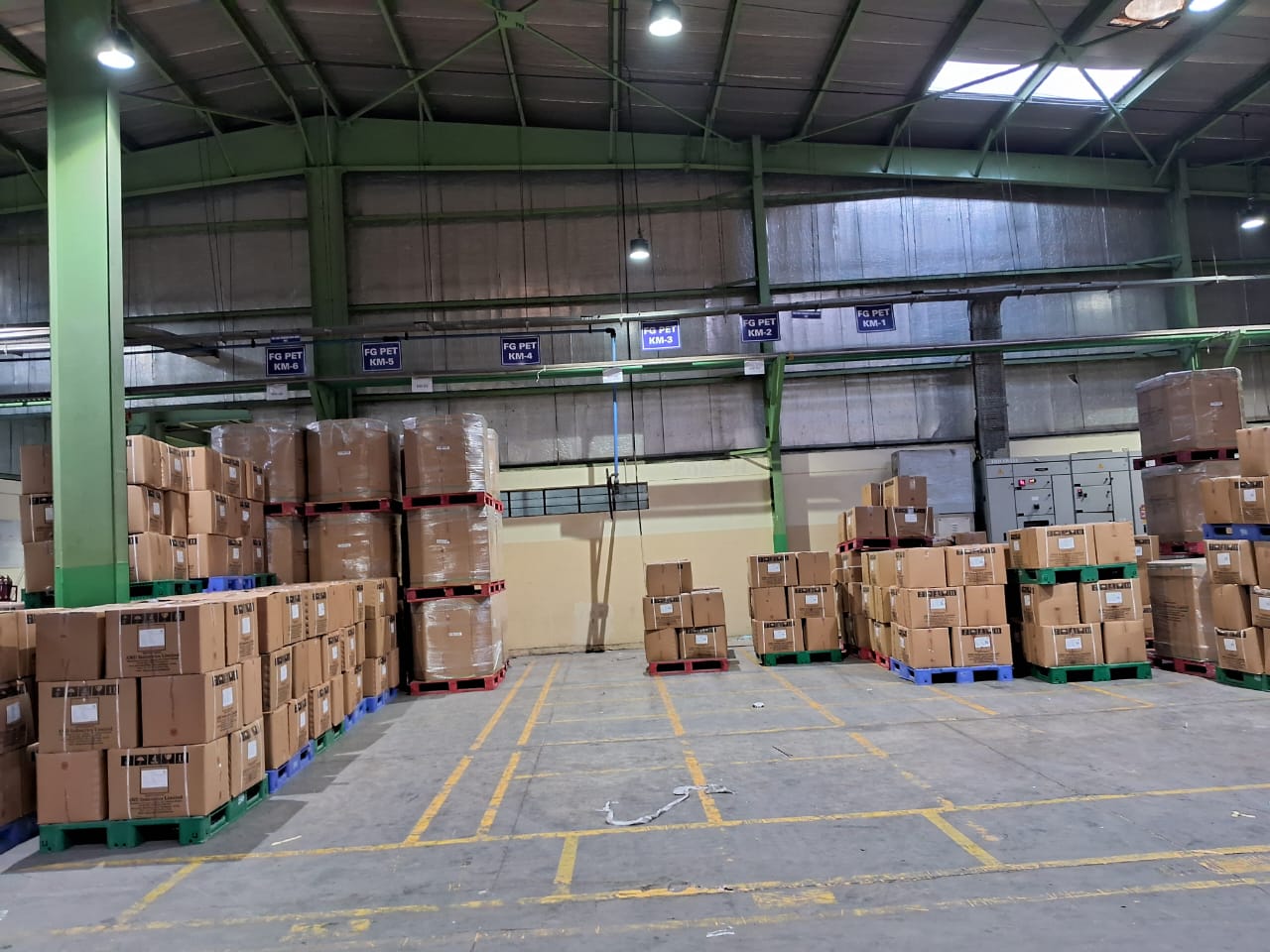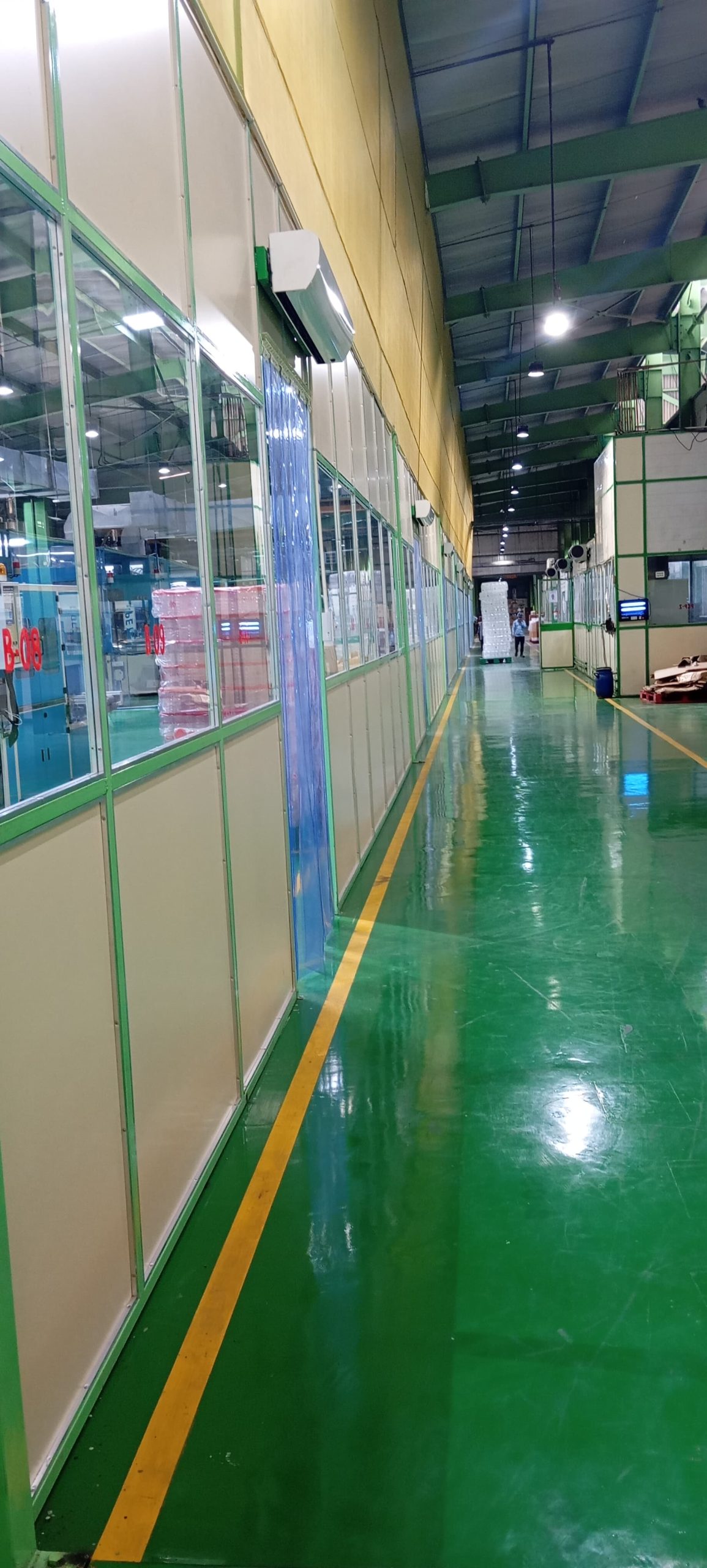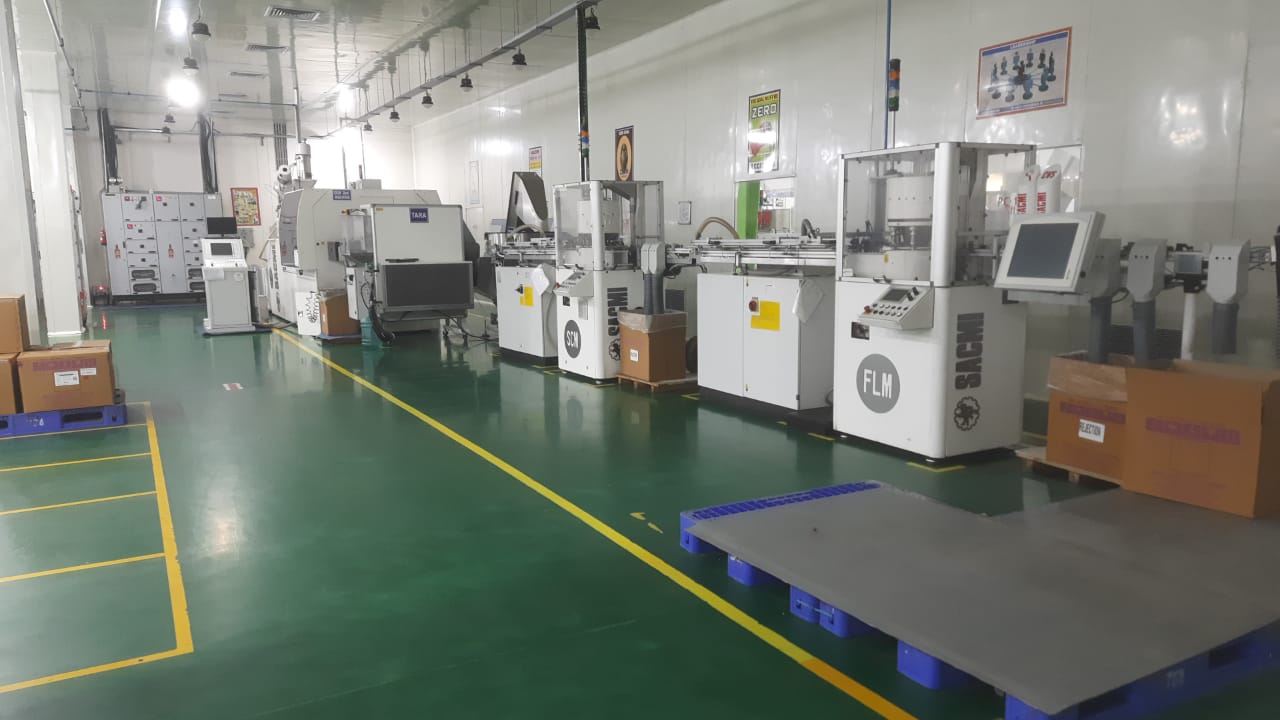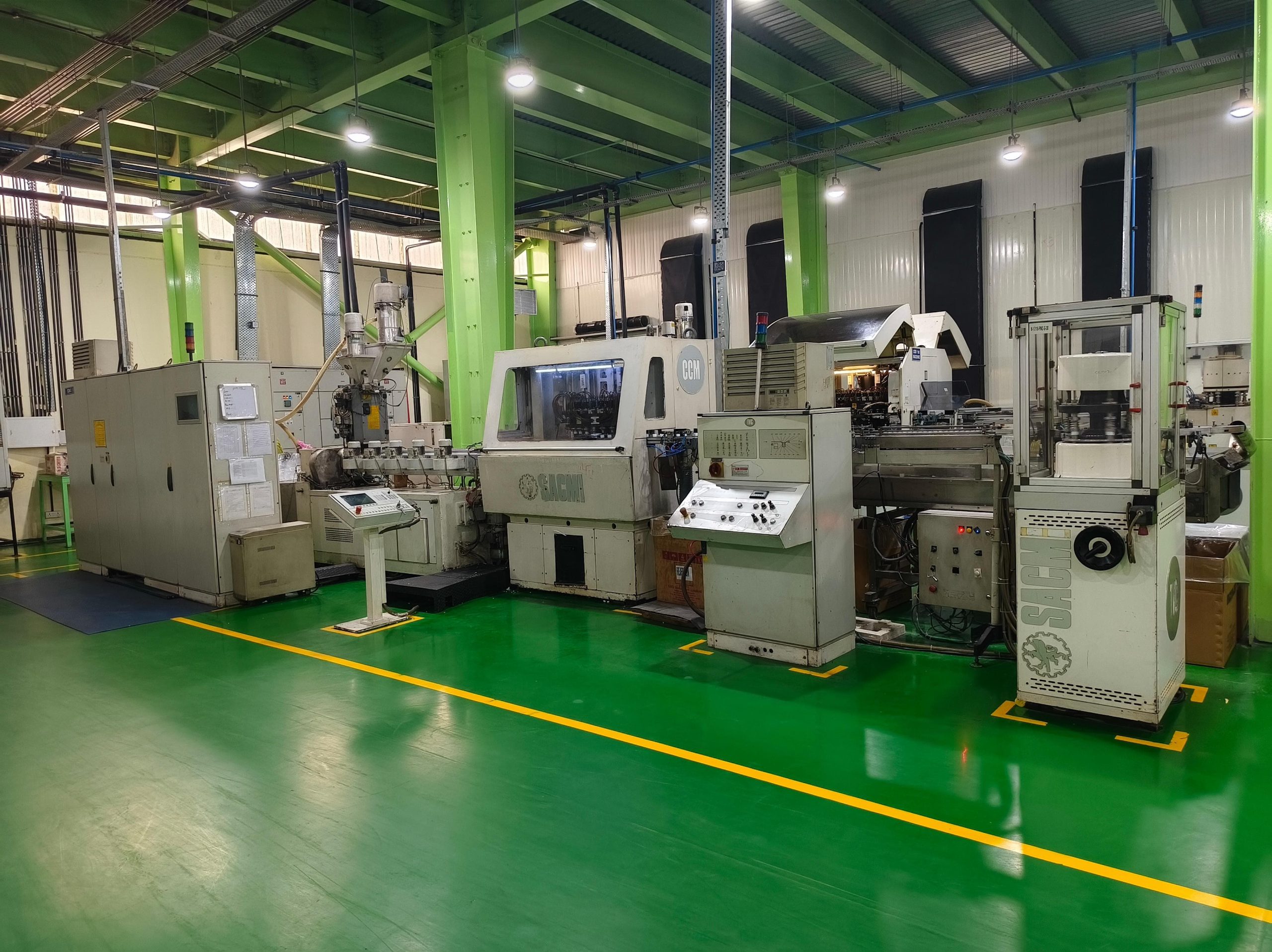

AMD Manufacturing Technologies
| Technology | Primary Material | Key Feature | Common Application |
|---|---|---|---|
| ISBM | PET | Crystal Clarity | Soda & Water Bottles |
| IBM | HDPE / PP | Precision Neck | Medicine Bottles |
| EBM | HDPE / LDPE | Integrated Handles | Milk & Detergent Jugs |
| Compression | PE / TPE | High-Speed Sealing | Bottle Caps & Crown Liners |
| IM | PET | Neck Consistency | PET Preform for Soda and water bottle |
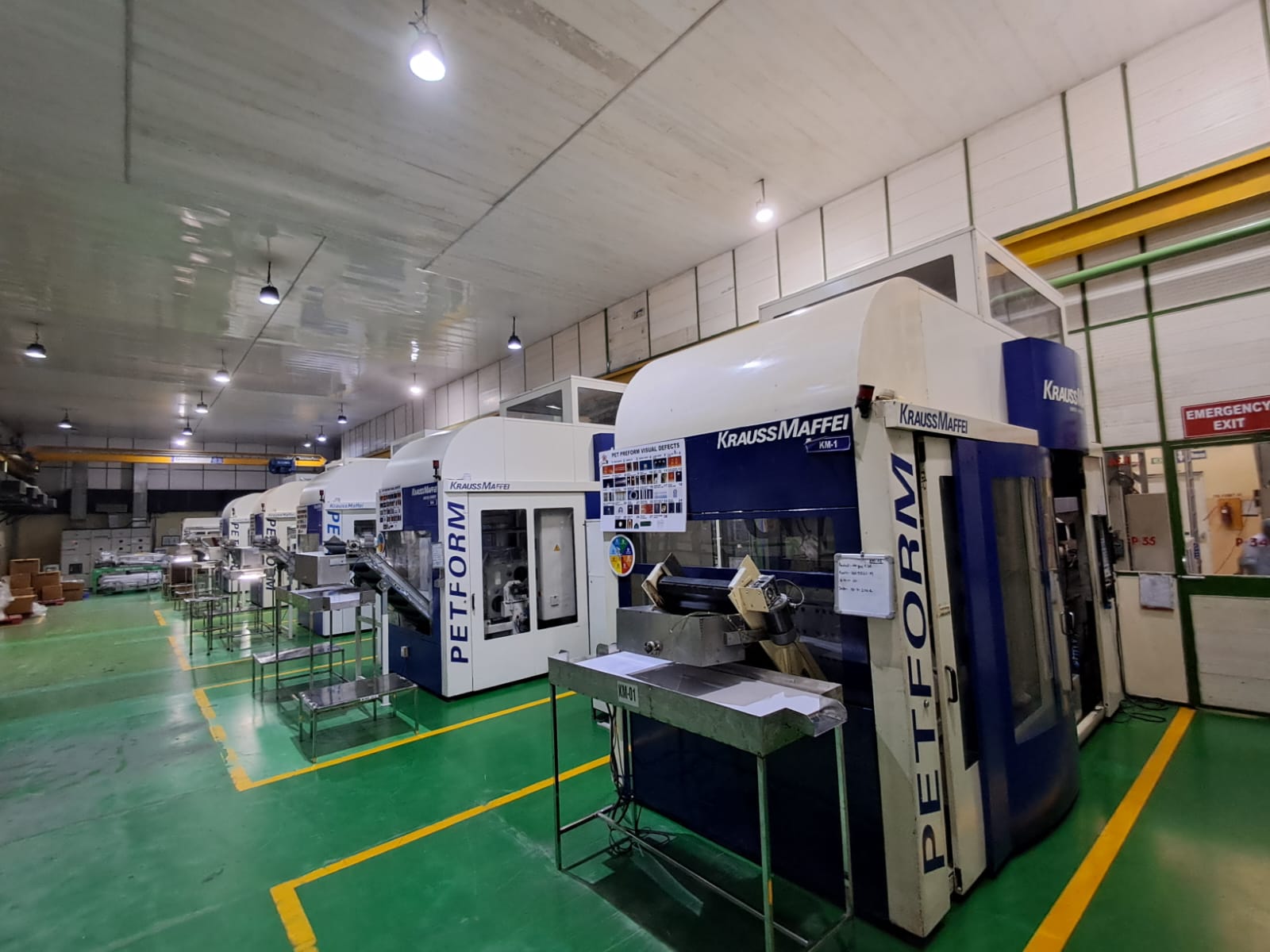
1. Injection Stretch Blow Molding (ISBM)
Best for: High-clarity PET bottles (Water, Carbonated Soft Drinks, Cosmetics).
- The Process: Two-stage process where a preform is injection-molded, then stretched and blown using high-pressure air.
- Key Advantage: Biaxial orientation creates glass-like clarity, high strength, and excellent gas barrier properties.
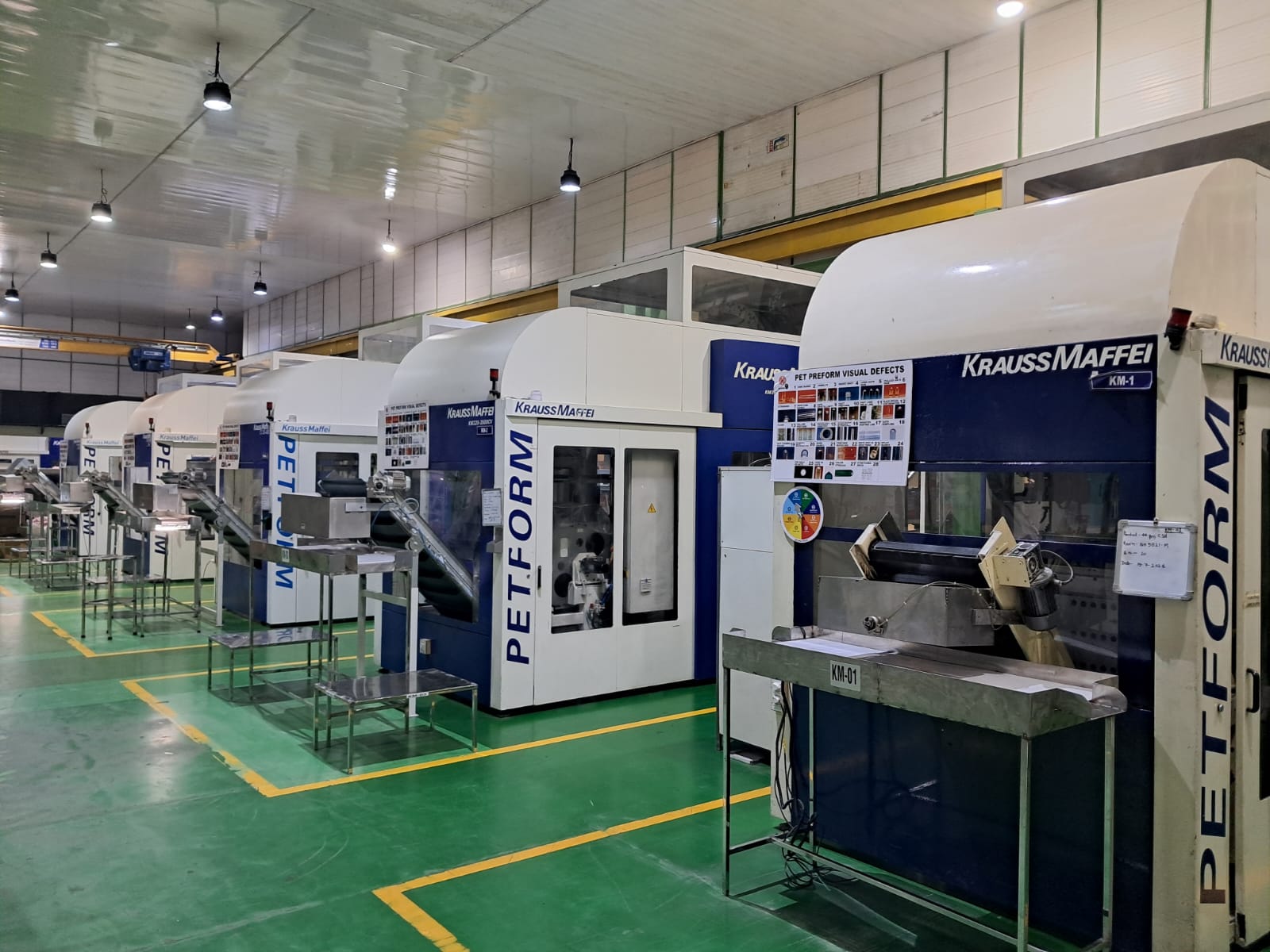
2. Injection Molding (IM)
Best for: High-clarity PET preforms.
- The Process: PET resin is dried, melted, and injected into multi-cavity molds to create preforms with finished necks.
- Key Advantage: 100% neck consistency ensuring leak-proof sealing and high-speed blowing.
3. Injection Blow Molding (IBM)
Best for: Small, high-precision containers (Pharmaceutical vials, eye drops).
- The Process: Molten plastic is injected onto a core rod and immediately blown into shape.
- Key Advantage: Zero-waste production with no trimming and perfectly finished necks.
4. Extrusion Blow Molding (EBM)
Best for: Complex and large containers (Milk jugs, detergent bottles).
- The Process: A molten plastic parison is extruded, captured in a mold, and inflated.
- Key Advantage: Allows integrated handles and complex shapes.
5. Compression Molding (Closures & Crowns)
Best for: High-volume caps and crown liners.
- The Process: Plastic gobs are compressed into shape under vertical pressure.
- Key Advantage: Dimensional stability with consistent sealing for carbonated beverages.
6. Crown Cap Making Technology
1. Metal Stamping & Forming
- Tinplate (TP) or Tin-Free Steel (TFS), 0.20–0.24 mm thick
- High-speed double-action presses producing over 5,000 caps/minute
- Blanking, drawing, and crimping into 21-tooth shells
2. In-Shell Lining (Compression Molding)
- Molten TPE/PE pellets are dosed and compressed inside the shell
- Creates V or W liner profiles for airtight sealing
3. Material Science: PVC vs PVC-Free
- PVC: Traditional but environmentally restricted
- TPE: Modern PVC-free standard with no taste impact
- Oxygen scavengers used for premium beverages
4. Coating & Lithography
- Food-grade lacquer prevents metal contact
- Offset lithography ensures distortion-free branding
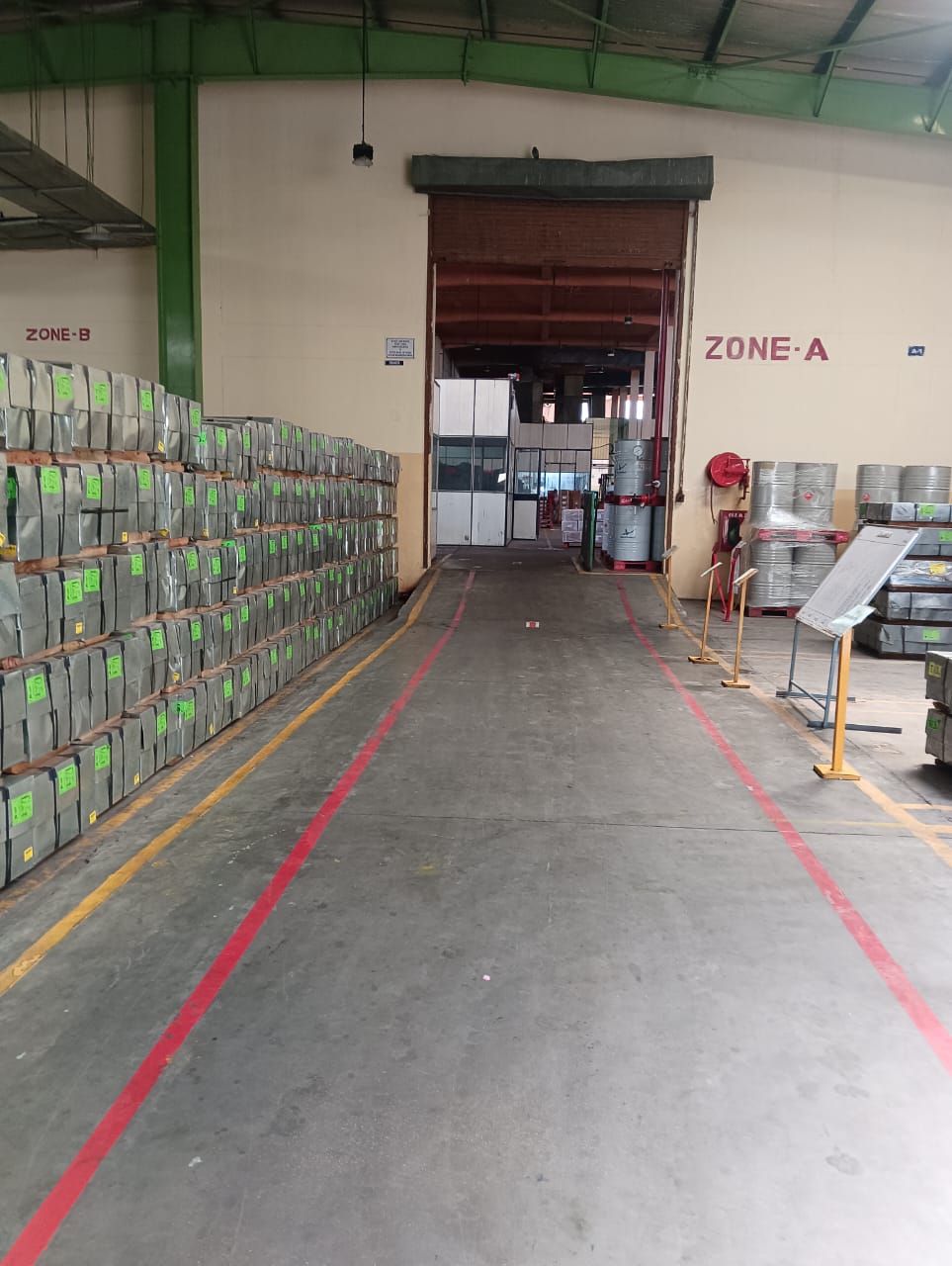
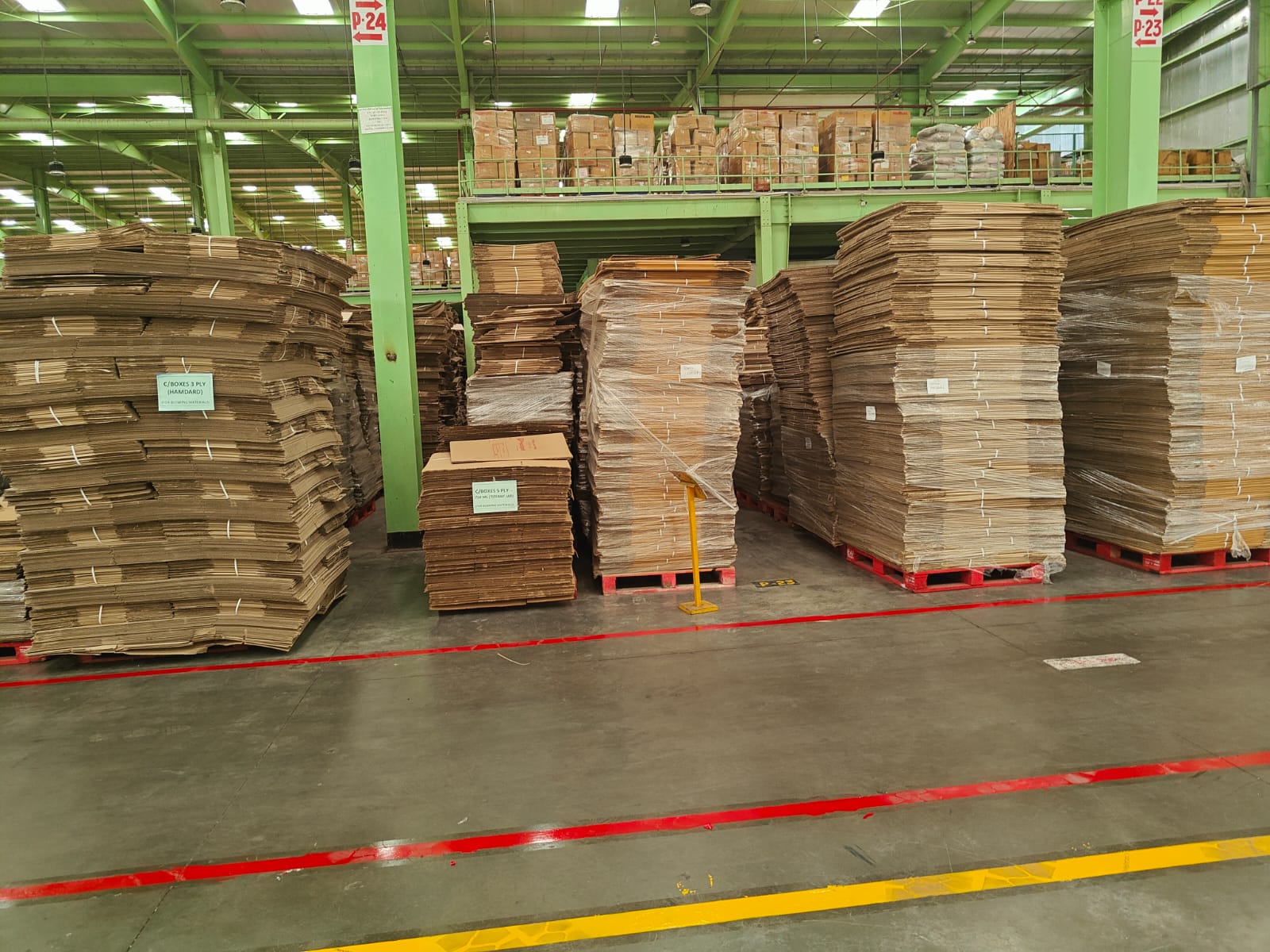
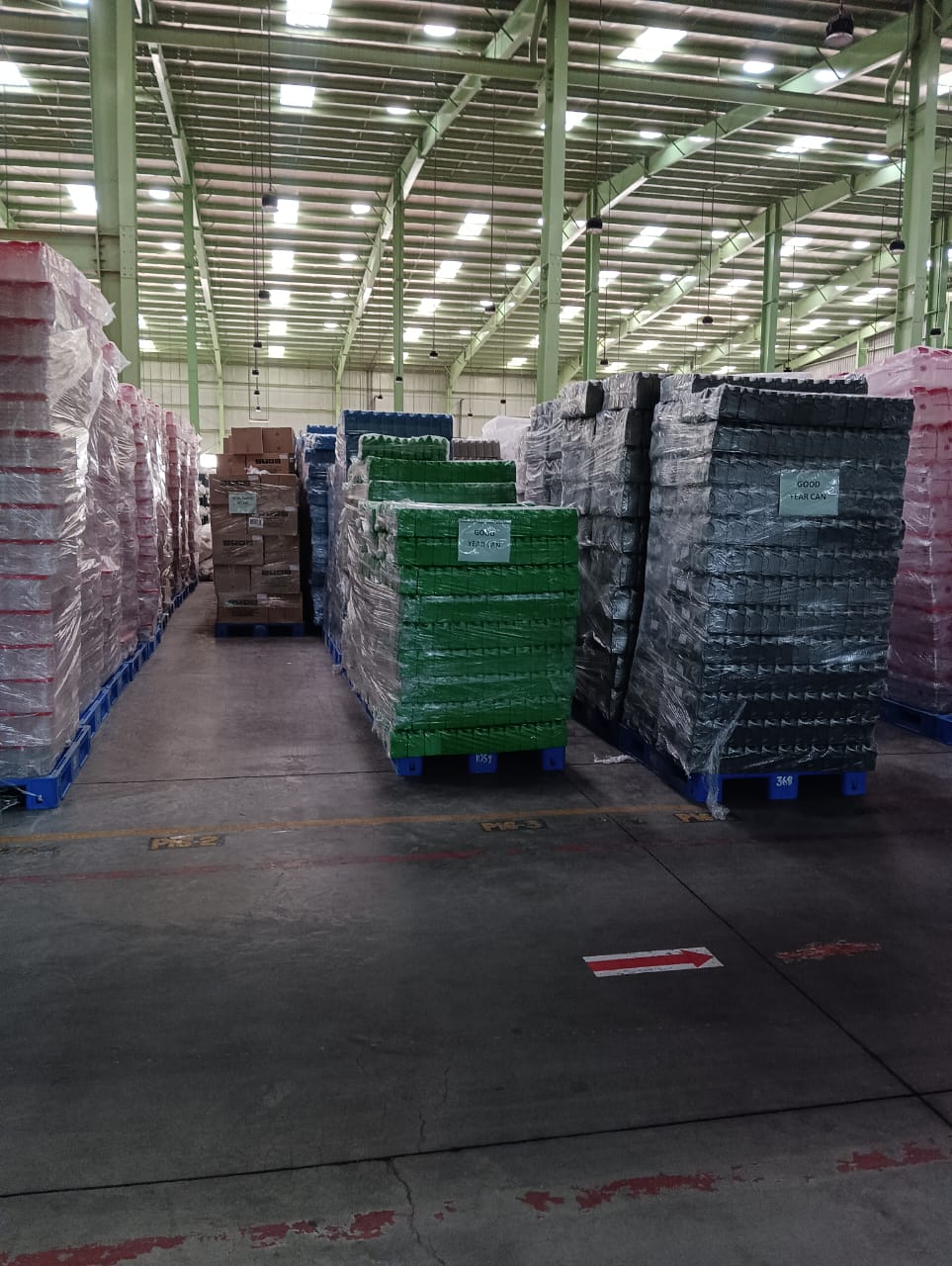
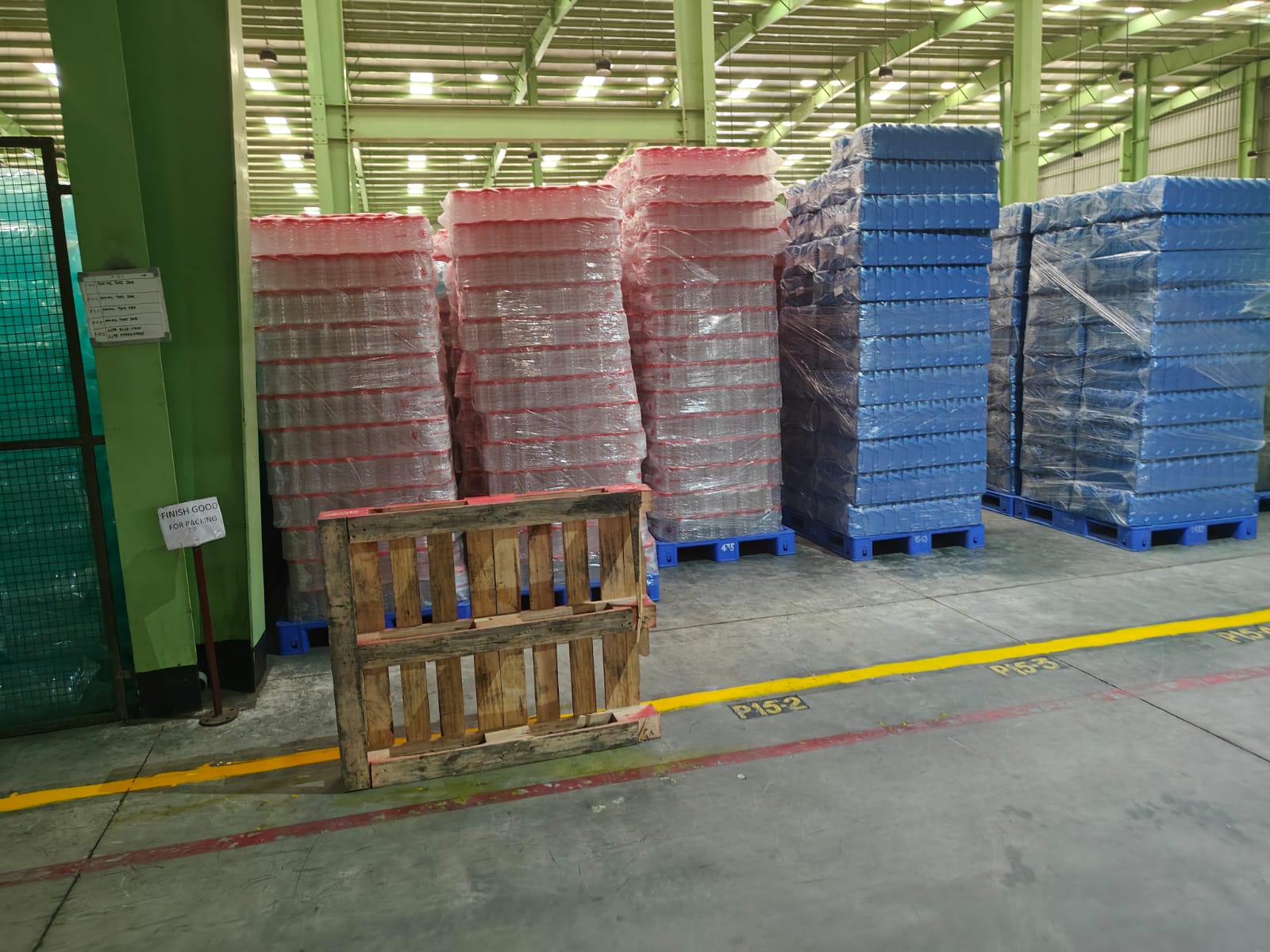
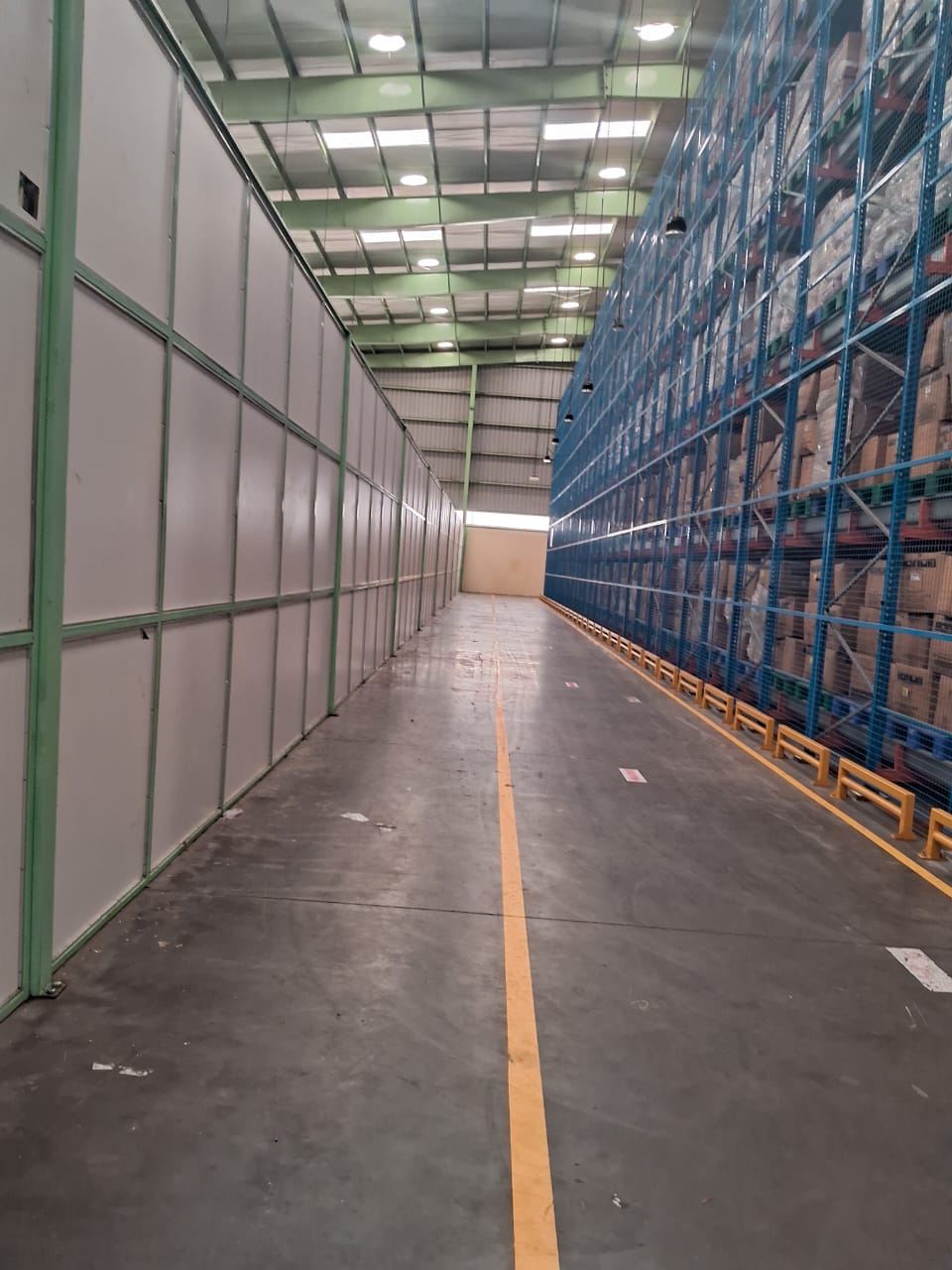
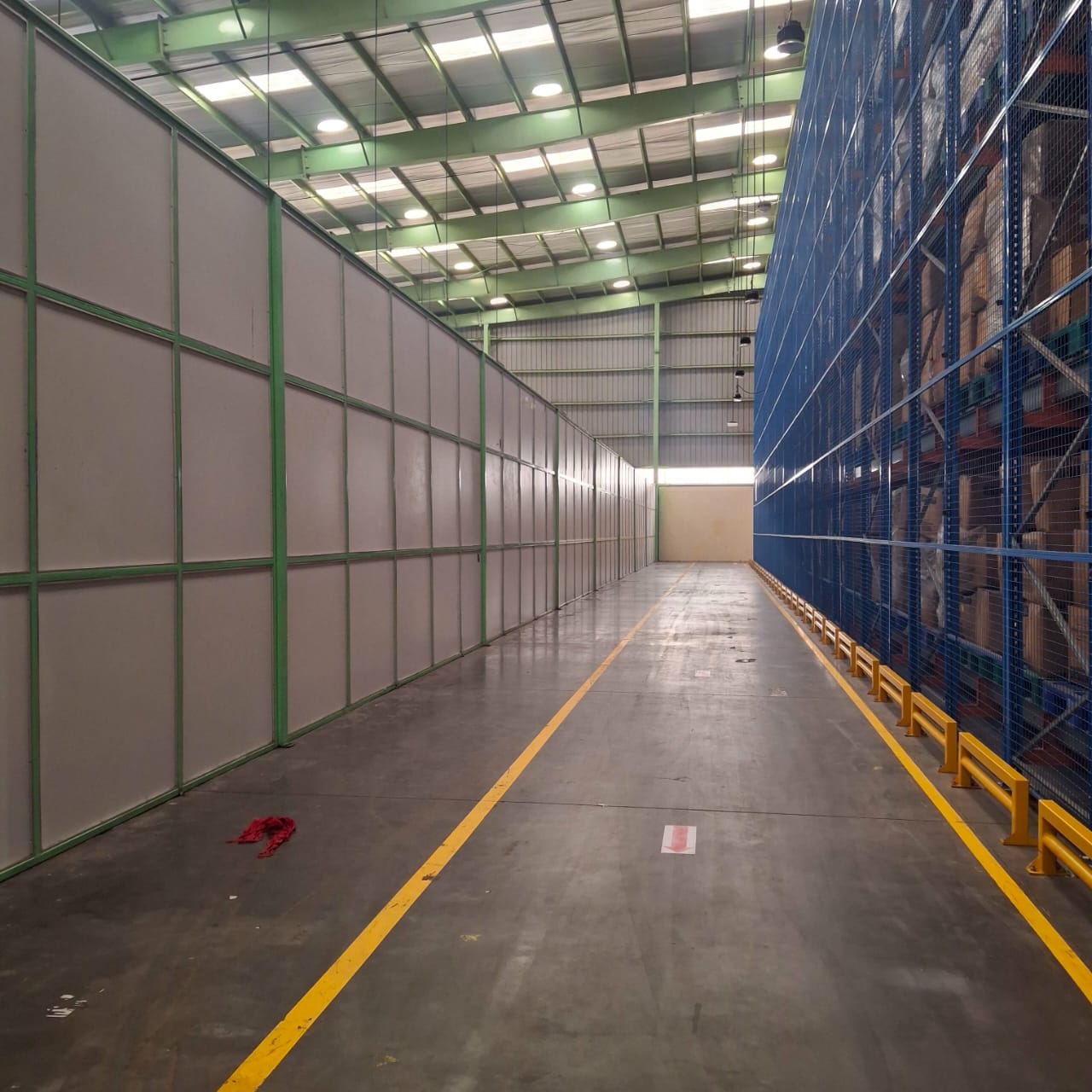
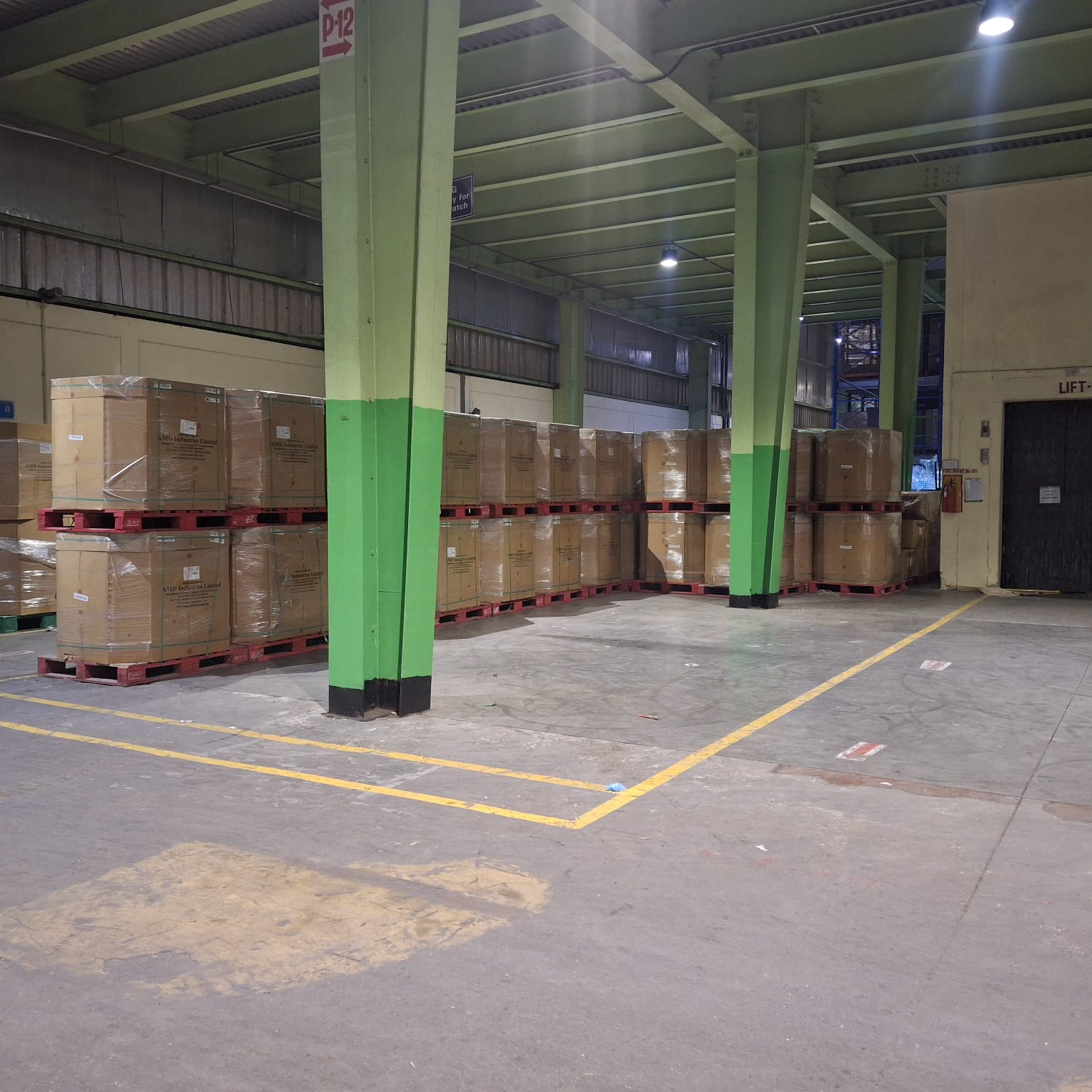
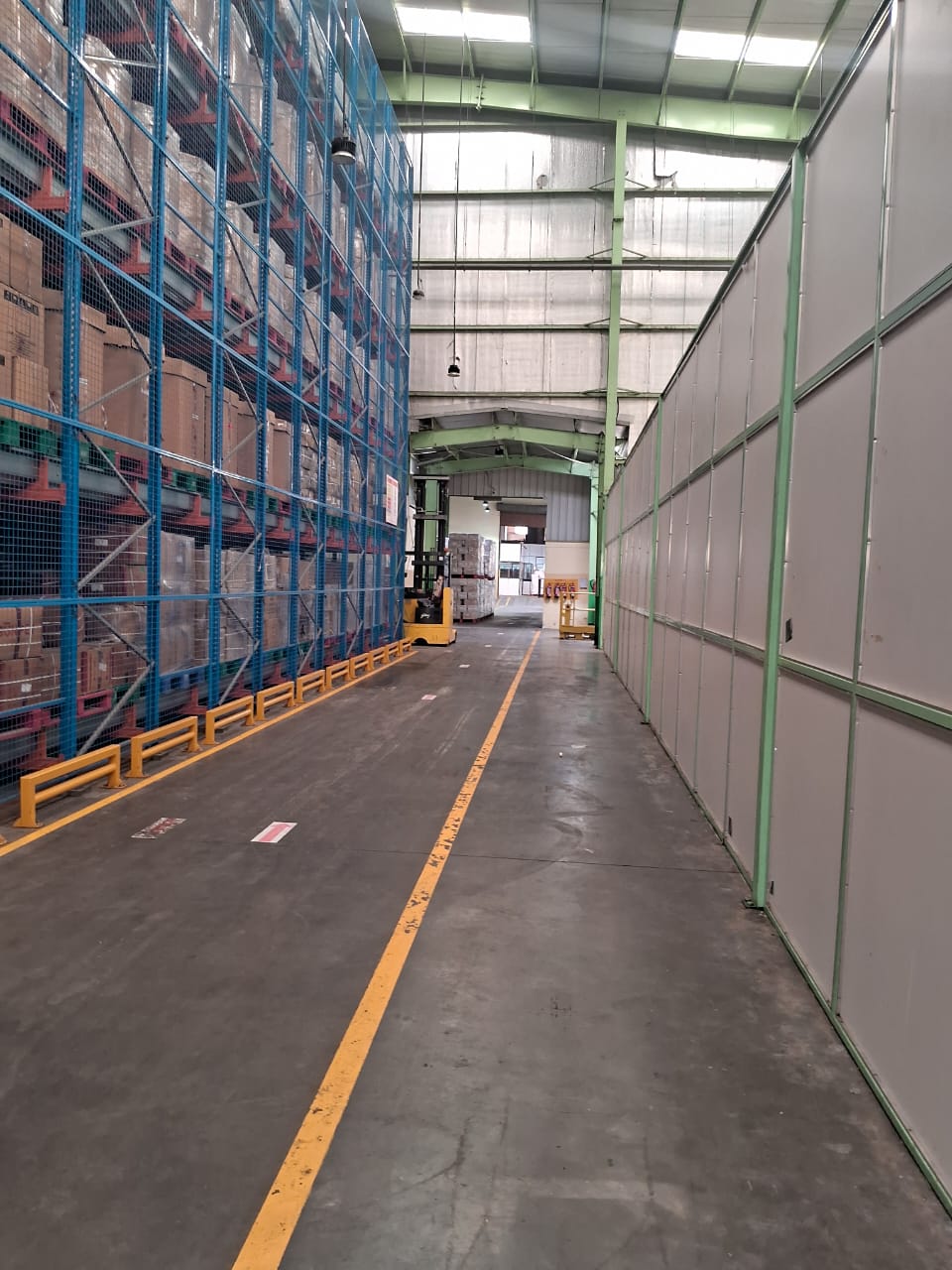
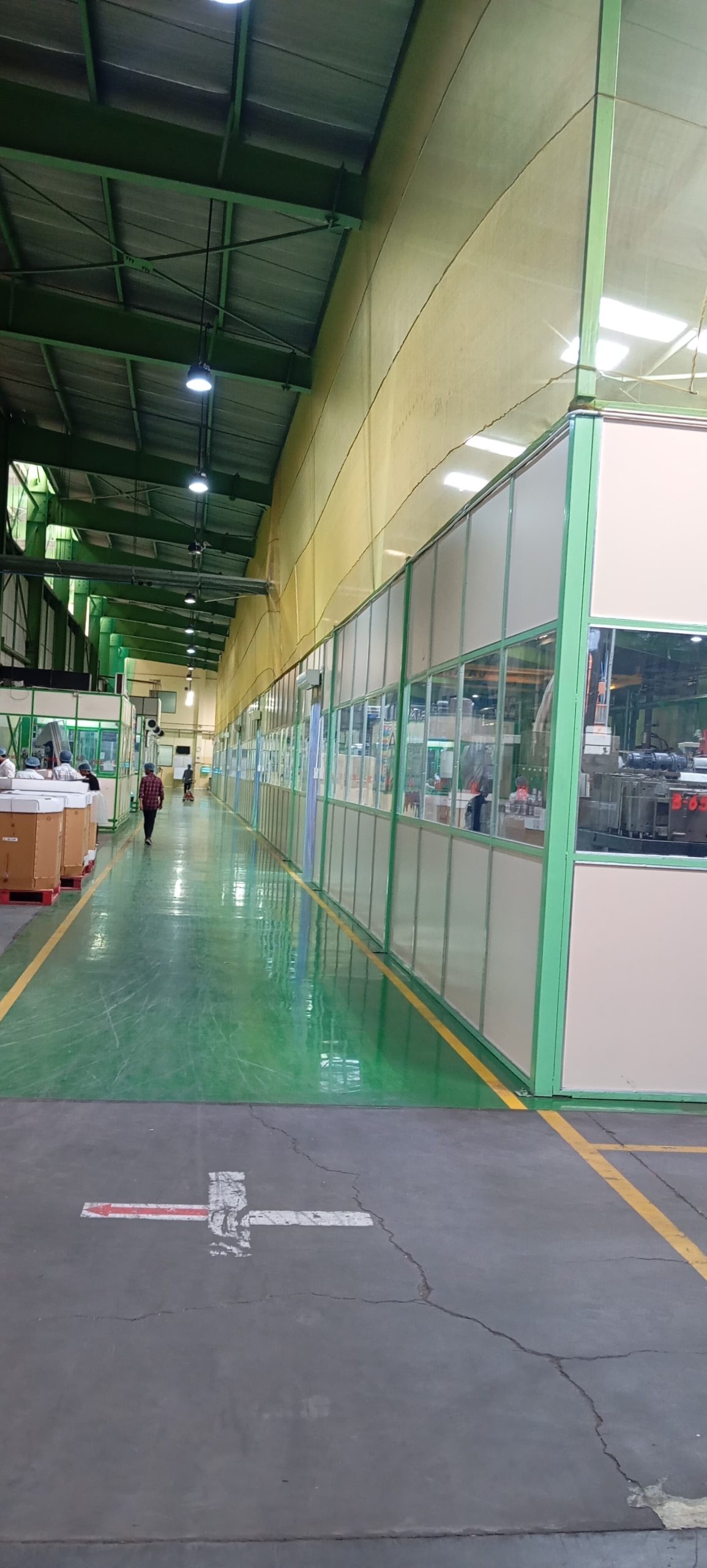
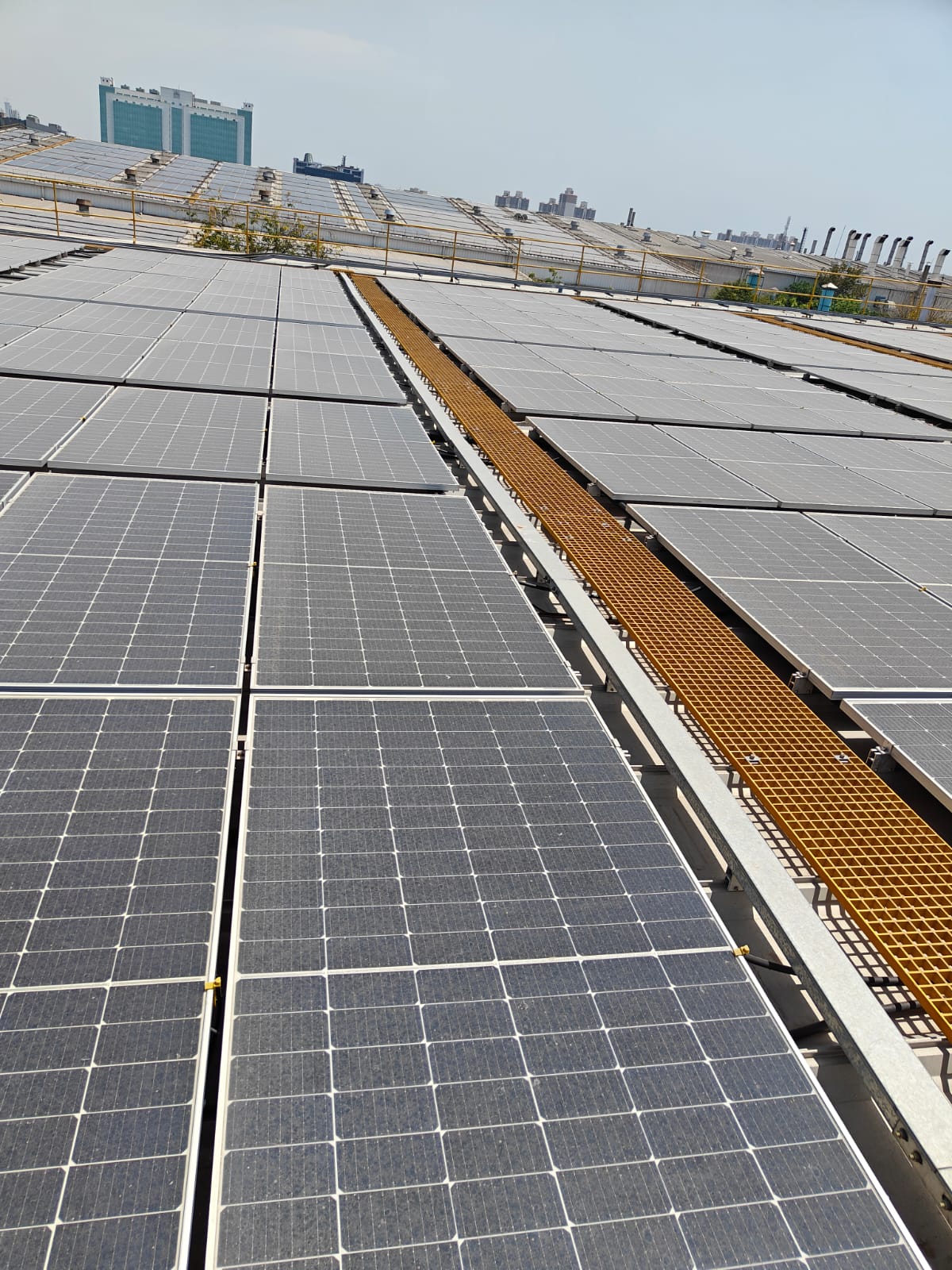
Overview of Manufacturing Facilities